Why Children With Tactile Sensitivity Struggle With Grooming Activities Like Hair Brushing and Tooth Care
Grooming routines that seem simple for most children can become overwhelming for those with tactile sensitivity. Activities such as hair brushing, haircuts, tooth brushing, nail trimming, and face washing involve direct physical contact and unfamiliar sensations. For a child with a sensitive nervous system, these experiences can feel intense, uncomfortable, or even painful. The scalp, face, and mouth are particularly sensitive areas, which is why grooming tasks often trigger strong reactions. A child may cry, pull away, or resist when touched in these regions. These responses are not acts of defiance or misbehaviour. Instead, they are natural reactions to sensory overload, where the brain struggles to process incoming sensations comfortably. Understanding this difference is crucial. When caregivers recognize that the child is overwhelmed rather than uncooperative, they can respond with empathy and supportive strategies instead of pressure.
Common Signs of Grooming Difficulties Caused by Tactile Sensitivity in Children
Children with tactile sensitivity often display clear signs during grooming routines. These reactions may appear consistently and can become more intense over time if not addressed properly.
- Crying, resisting, or becoming upset during grooming tasks
- Avoiding activities like haircuts, brushing, or face washing
- Showing aggressive reactions when touched unexpectedly
- Becoming anxious even before the grooming routine begins
Over time, repeated negative experiences can create anticipatory anxiety. The child may start to associate grooming with discomfort, leading to distress even before the activity starts.
How Sensory Overload Impacts Daily Grooming and Emotional Well-Being in Kids
When grooming triggers sensory overload, it affects more than just the routine itself. The child’s emotional well-being can also be impacted. Constant discomfort during daily activities may lead to increased irritability, fear, or avoidance behaviours. Children may feel a loss of control during grooming, especially when the sensations are unpredictable. This can reduce their willingness to participate and make routines more stressful for both the child and caregiver. Over time, avoidance of grooming tasks can also affect hygiene and self-care skills. Additionally, the emotional build-up from repeated distress can carry over into other parts of the day, affecting mood, focus, and overall behaviour.
Why Early Support for Tactile Sensitivity Improves Grooming Tolerance and Confidence
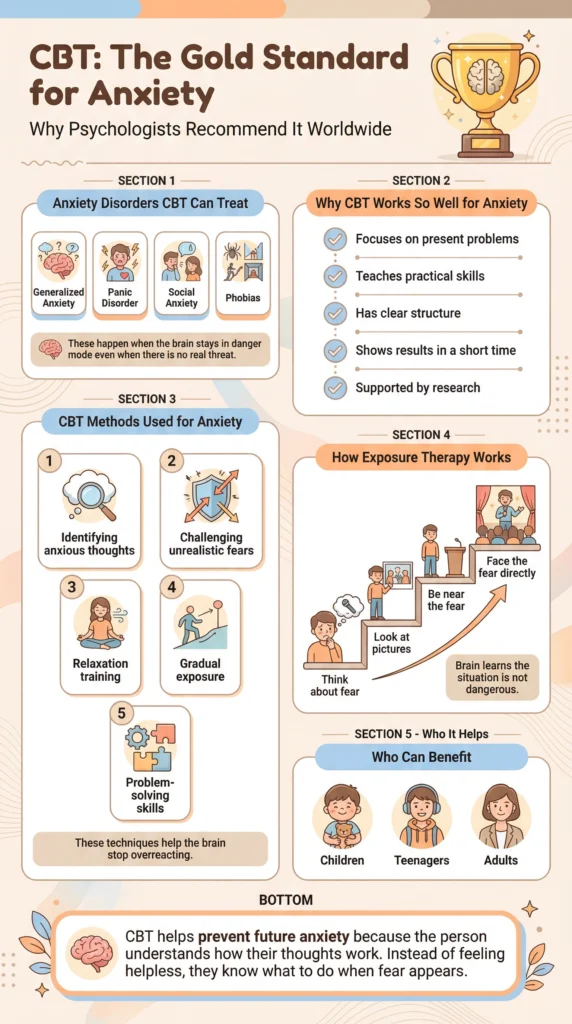
Addressing tactile sensitivity early can make a significant difference in how children respond to grooming activities. Sensory integration approaches focus on gradually helping the child tolerate and process different sensations more comfortably. Therapists often use desensitization techniques, where exposure to touch is introduced slowly and in a controlled manner. This allows the nervous system to adapt without becoming overwhelmed. Over time, children can build tolerance and feel more in control during grooming routines. Improving sensory processing not only helps with grooming but also supports overall daily functioning and confidence.
Practical Home Strategies to Make Grooming Easier for Children With Sensory Sensitivity
Caregivers can use simple and effective strategies at home to reduce stress during grooming routines. The goal is to create a predictable and comfortable environment that supports the child’s sensory needs.
- Maintain consistent routines so the child knows what to expect
- Use visual schedules to prepare the child for each step
- Allow the child to participate and have some control over the process
- Choose soft brushes, electric toothbrushes, or fragrance-free products
These adjustments can make grooming feel less overwhelming and more manageable for the child.
How Sensory-Based Preparation Techniques Help Children Stay Calm During Grooming
Preparing the child’s body before grooming can significantly improve tolerance. Activities that provide deep pressure input, such as gentle squeezing, hugging, or using weighted items, can help regulate the nervous system. When the body feels calm and organized, it becomes easier for the child to handle touch and sensory input. Combining preparation techniques with a patient and flexible approach can transform grooming routines into more positive experiences. With time, consistency, and understanding, children with tactile sensitivity can gradually become more comfortable with grooming. Supportive strategies not only reduce stress but also help build independence and confidence in daily self-care activities.