Weak Grip Strength in Children

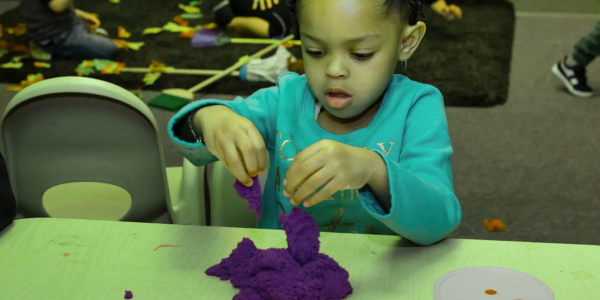
Weak Grip Strength in Children: Causes, Signs, and Practical Ways to Improve Hand Strength Grip strength is an important part of a child’s physical development. It allows children to hold objects, manipulate tools, and perform everyday tasks independently. From holding toys and crayons to using utensils and scissors, strong hand muscles are essential for smooth […]

Weak Grip Strength in Children Read More »

Touch Sensitivity and Autism

Touch Sensitivity and Autism: Understanding Sensory Responses in Children Touch sensitivity is one of the most common sensory processing challenges in children with autism spectrum disorder. Many children on the autism spectrum experience differences in how their nervous system interprets tactile information. Because touch is a fundamental sensory system, these differences can influence behaviour, emotional

Touch Sensitivity and Autism Read More »

Turning “Shop” Into “Top”

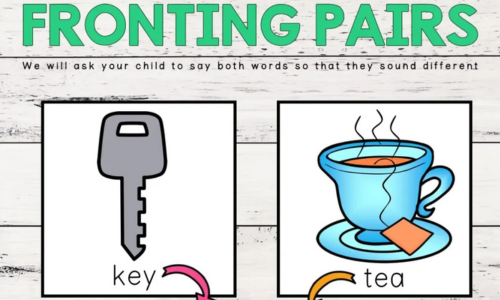
Turning “Shop” Into “Top”: Understanding the Stopping Speech Process in Children Speech development in young children follows predictable patterns, but sometimes these patterns affect how clearly a child communicates. One common phonological process is Stopping (speech process), where children replace fricative sounds with stop sounds. For example, a child might say “top” instead of “shop”

Turning “Shop” Into “Top” Read More »

Tactile Defensiveness in Children

Tactile Defensiveness in Children

Tactile Defensiveness in Children: Causes, Signs, and Support Strategies Tactile defensiveness in children is a common sensory integration difficulty seen in children with developmental delays, Autism Spectrum Disorder (ASD), ADHD, and Sensory Processing Disorder (SPD). It occurs when a child’s nervous system interprets normal touch sensations as threatening or overwhelming. Even light, harmless touch may

Tactile Defensiveness in Children Read More »

Toe walk in children

Toe walking

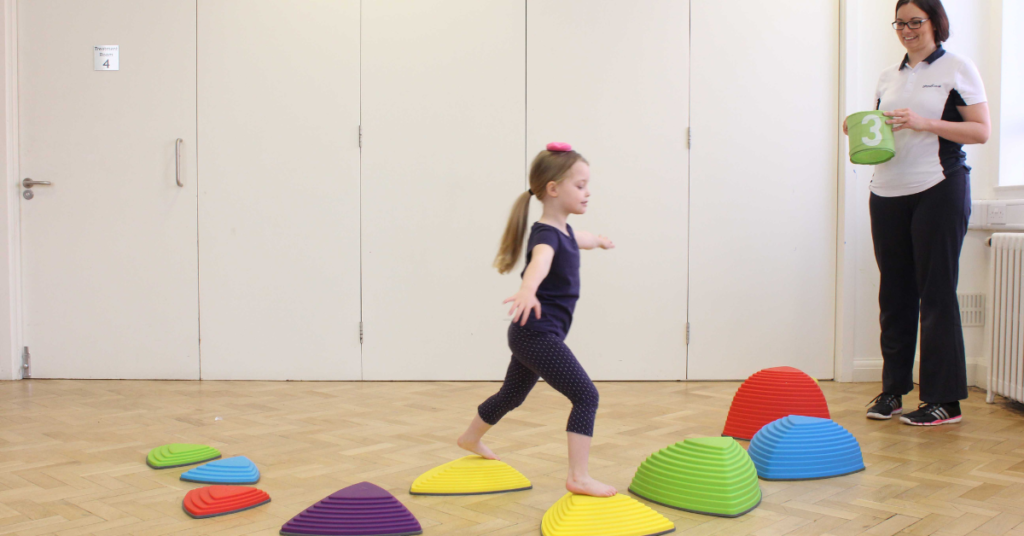
Toe-Walking in Children: When Walking on Toes Is More Than a Habit Toe-walking in children is common when toddlers first learn to walk. During early development, children experiment with balance, coordination, and different walking patterns. However, when toe-walking continues beyond 2–3 years of age, it may require professional attention. Persistent toe-walking means a child regularly

Toe walking Read More »