5 Signs You Might Benefit from CBT

5 Signs You Might Benefit from CBT Right Now Many people experience stress, anxiety, or negative thinking, but they do not realize that therapy can help. Cognitive Behavioural Therapy (CBT) is one of the most effective ways to manage emotional difficulties. It teaches practical skills to change unhealthy thought patterns and behaviours. Sometimes people think […]

5 Signs You Might Benefit from CBT Read More »

What Is Cognitive Behavioral Therapy

What Is Cognitive Behavioral Therapy (CBT)? A Beginner’s Guide Cognitive Behavioural Therapy (CBT) is one of the most effective and widely used psychological treatments in modern mental health care. It is a structured, goal-oriented form of therapy that helps people understand how their thoughts, feelings, and behaviours are connected. CBT focuses on changing negative thinking

What Is Cognitive Behavioral Therapy Read More »

Clothing Texture Aversion in Kids

Clothing Texture Aversion in Kids: Understanding Sensory Processing and Tactile Sensitivity Clothing texture aversion in kids is a common sensory challenge, especially in children with developmental delays or sensory processing differences. What may appear as stubbornness, picky behaviour, or refusal to get dressed is often a genuine neurological response. Children with tactile sensitivity experience clothing

Clothing Texture Aversion in Kids Read More »

When “Rabbit” Becomes “Wabbit”

When “Rabbit” Becomes “Wabbit”: Understanding Gliding in Children’s Speech Development Many young children make cute speech substitutions while learning to talk, but some patterns last longer than expected. One common speech pattern is called gliding in speech development, where harder sounds like /r/ and /l/ are replaced with easier sounds like /w/ or /y/. For

When “Rabbit” Becomes “Wabbit” Read More »

Touch Sensitivity and Autism

Touch Sensitivity and Autism: Understanding Sensory Responses in Children Touch sensitivity is one of the most common sensory processing challenges in children with autism spectrum disorder. Many children on the autism spectrum experience differences in how their nervous system interprets tactile information. Because touch is a fundamental sensory system, these differences can influence behaviour, emotional

Touch Sensitivity and Autism Read More »

Turning “Shop” Into “Top”

Turning “Shop” Into “Top”: Understanding the Stopping Speech Process in Children Speech development in young children follows predictable patterns, but sometimes these patterns affect how clearly a child communicates. One common phonological process is Stopping (speech process), where children replace fricative sounds with stop sounds. For example, a child might say “top” instead of “shop”

Turning “Shop” Into “Top” Read More »

Tactile Defensiveness in Children

Tactile Defensiveness in Children

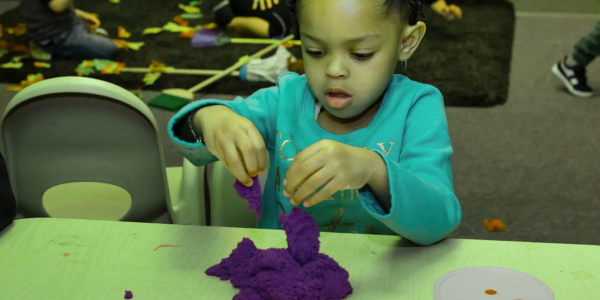
Tactile Defensiveness in Children: Causes, Signs, and Support Strategies Tactile defensiveness in children is a common sensory integration difficulty seen in children with developmental delays, Autism Spectrum Disorder (ASD), ADHD, and Sensory Processing Disorder (SPD). It occurs when a child’s nervous system interprets normal touch sensations as threatening or overwhelming. Even light, harmless touch may

Tactile Defensiveness in Children Read More »