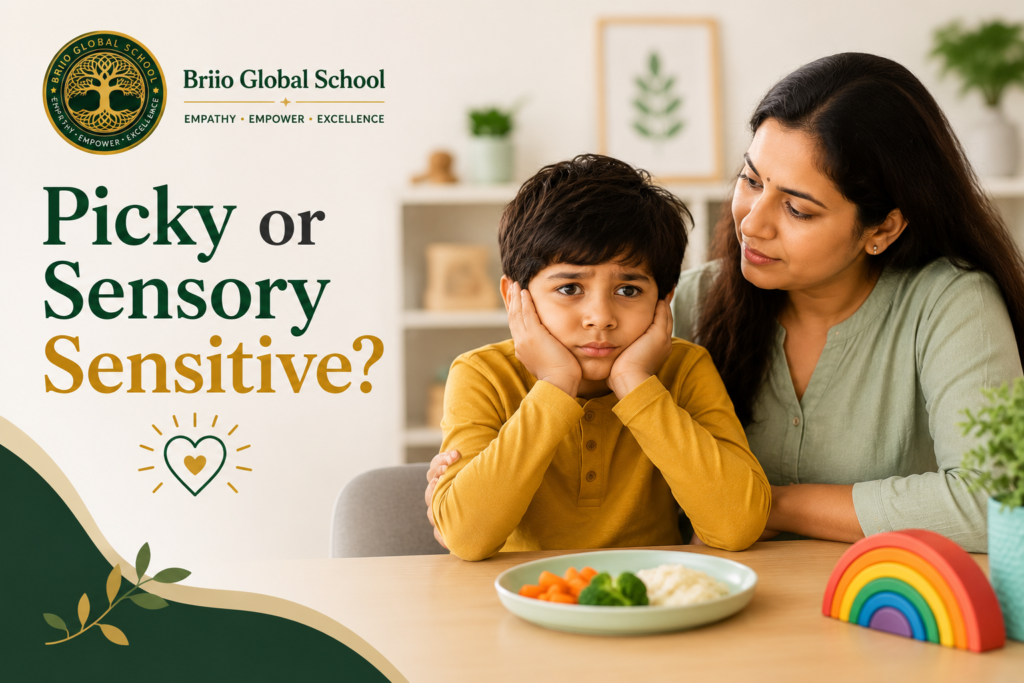
Is Your Child “Picky” or Sensory Sensitive? The Checklist That Changes Everything
Every meal felt like a battle. One wrong texture could cause tears. Socks became a daily struggle. Hair brushing turned into emotional meltdowns. Loud places overwhelmed my child within minutes.
At first, everyone told me the same thing:
“They’re just picky.”
“It’s normal.”
“They’ll grow out of it.”
But deep down, I knew this was something different.
The moment I learned about sensory sensitivity, everything changed — not just for my child, but for our entire family.
If you’ve ever wondered whether your child is simply picky or actually sensory sensitive, this guide may completely change the way you understand their behavior.
What Is Sensory Sensitivity?
Sensory-sensitive children experience the world more intensely than others. Sounds may feel louder. Clothing may feel uncomfortable. Certain food textures can trigger genuine distress. Bright lights, crowded rooms, and unexpected changes may overwhelm their nervous system quickly.
This is not bad behavior. And it’s not “dramatic.”
Many children who are labeled as stubborn or difficult are actually struggling with sensory overload.
The Difference Between “Picky” and Sensory Sensitive
Most children go through phases where they dislike certain foods or routines. But sensory sensitivity is different.
A child who is sensory sensitive may gag from food textures, refuse specific fabrics, melt down in noisy environments, or become emotionally overwhelmed after busy activities.
The reactions are often intense because the child’s nervous system is processing stimulation differently. Once parents understand this, frustration often turns into compassion.
The Checklist That Changed Everything for Us
I started noticing patterns I had ignored for years. My child avoided certain clothes no matter the weather. Some sounds caused immediate panic. Mealtimes became stressful because textures mattered more than taste.
That’s when I realized this wasn’t simply picky behavior.
It was sensory sensitivity.
And understanding that changed the way I parented completely.
What Helped the Most
The biggest improvement came when we stopped trying to “correct” every behavior and started supporting the nervous system instead.
We reduced overwhelming environments, created calmer routines, and allowed more emotional recovery time after stimulation.
Slowly, daily life became easier. The meltdowns reduced. Mealtimes improved. And most importantly, my child felt understood.
Final Thoughts
A sensory-sensitive child is not trying to be difficult. They are trying to cope with a world that sometimes feels too overwhelming.
And when parents respond with understanding instead of constant correction, incredible changes can happen.
Sometimes the most powerful parenting shift begins with one simple realization:
Your child isn’t giving you a hard time.
They may actually be having a hard time.